Dr Tabitha Mok, Senior Consultant Psychiatrist at Private Space Medical, highlighted that social media and the wider digital environment have a complex impact on youth mental health. For many young people, online platforms help them stay connected, nurture friendships, and feel part of a supportive community. These spaces can also make it easier for teenagers to access information, mental health resources, and peer support when they are unsure where else to turn.
At the same time, Dr Mok notes that the curated nature of social media can create challenges. Continuous exposure to idealised or filtered content may lower a young person’s self-esteem and reinforce unhealthy comparisons, which can contribute to mood changes, anxiety, and self-doubt. Cyberbullying remains a significant concern, and excessive screen time—especially at night—can disrupt sleep patterns and lead to poor sleep hygiene, both of which affect overall emotional wellbeing.
To encourage healthier digital habits, Dr Mok recommends that parents take an active role in guiding their child’s online use. This includes setting reasonable limits, checking in on how social media affects their child’s emotions, and encouraging more positive and constructive online interactions. Parents can also support their teenagers in blocking or reporting harmful or abusive content to help maintain a safer digital environment.
Dr Mok also discussed early signs that may indicate a teenager is struggling with depression, anxiety, or stress. These signs can include changes in mood or behaviour, difficulty concentrating, sleep disturbances, unexplained physical symptoms, or a noticeable decline in academic performance or social functioning. Recognising these cues early can help families seek timely support and reduce the risk of symptoms worsening over time.
At Private Space Medical, our team of child and adolescent psychiatrists and psychologists regularly supports families navigating concerns related to social media use, digital wellbeing, and teenage mental health. If you are unsure whether your child may need help, we provide careful, sensitive assessments and personalised care to guide you through the next steps.
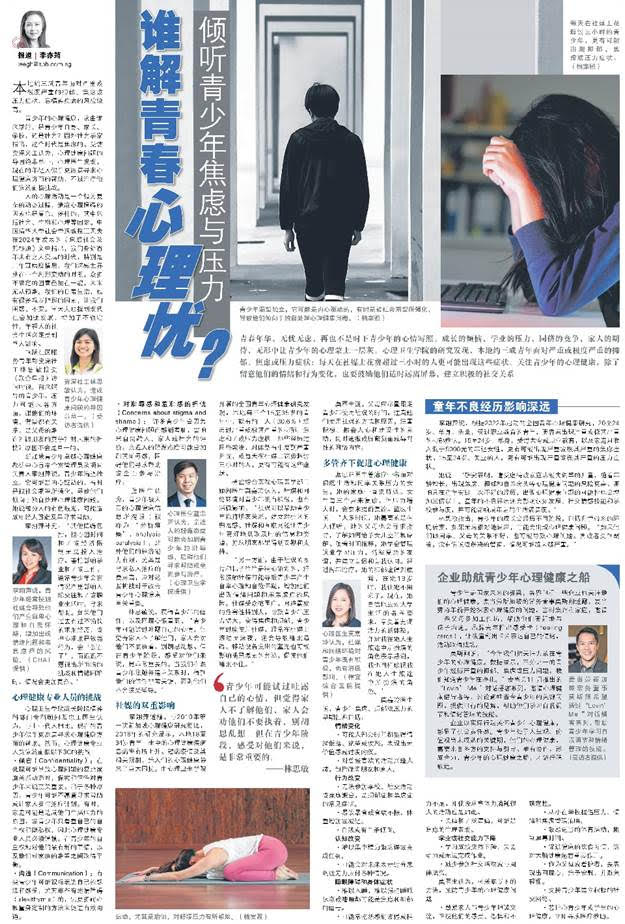
Who can soothe the anxieties of teenagers? Listen to the anxieties and stress of youth.
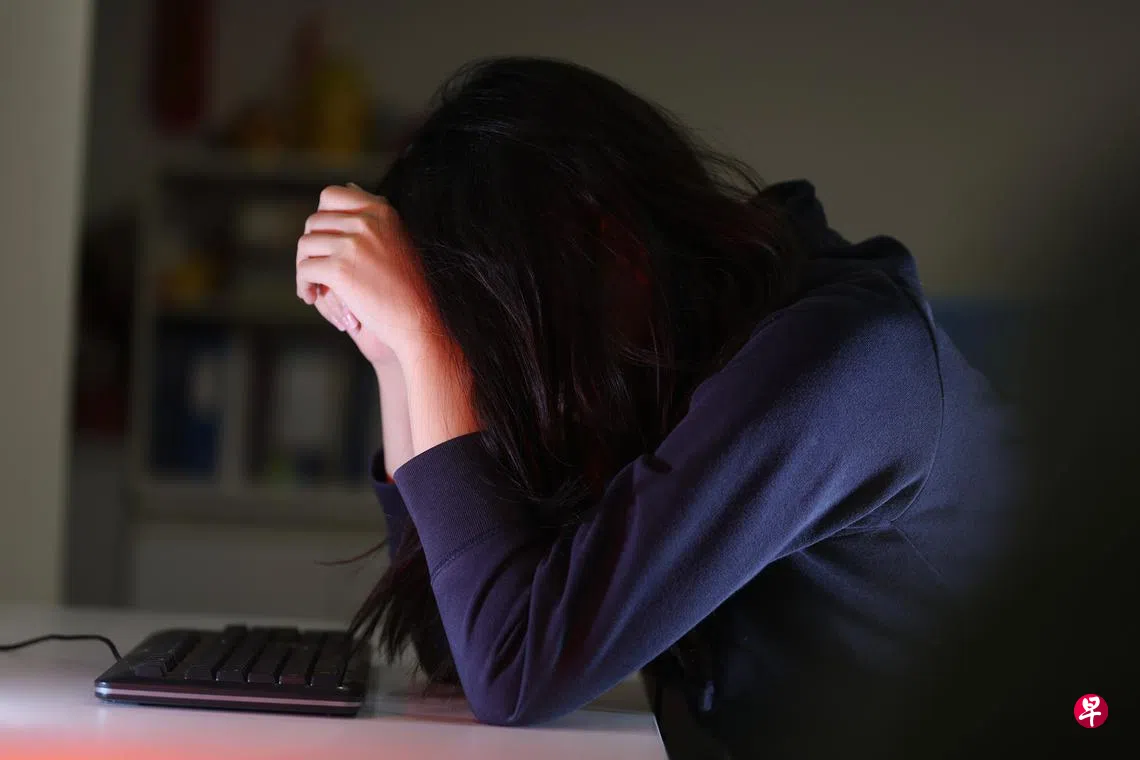
The carefree days of youth are no longer a true reflection of today’s teenagers’ lives. The anxieties of growing up, academic pressure, peer competition, and family expectations cast a shadow over their mental well-being. Research from the Institute of Mental Health has found that about 30% of local youth experience severe or extremely severe symptoms of depression, anxiety, or stress; those who spend more than three hours a day on social media are even more likely to experience these symptoms. Addressing the mental health of teenagers requires not only monitoring their mood and behavioral changes but also encouraging them to disconnect from screens occasionally and build positive social relationships.
About 30% of local youth face severe or extremely severe symptoms of depression, anxiety or stress, and are at higher risk of developing mental illness.
Who should take the lead in ensuring the mental health of teenagers—the teenagers themselves, their parents, schools, or society? Foreign sociologists point out that this era is one of anxiety. Experienced volunteers interviewed believe that the causes of mental health problems are far from singular; psychologists have found that young people today seem more willing to seek help in mental health matters, but treating them still presents challenges.
Human psychological activity is an extremely complex and dynamic process, and the factors causing psychological disorders are also complex and diverse, including social, biological, and psychological factors. In his 2024 article, “Anxious Society and Its Roots,” Wang Tianfu, a professor in the Department of Sociology at Tsinghua University, pointed out that we live in an era of unprecedented change, especially after three years of the COVID-19 pandemic. We deeply feel that the world is in a period of dramatic change, with numerous uncertainties compounding, making the future unpredictable. Our daily lives also contain many uncontrollable factors that cause us confusion and anxiety. Wang Tianfu also mentioned that the accelerated development of modern society has increased uncertainty, and the social lives of young people will inevitably be greatly affected.